
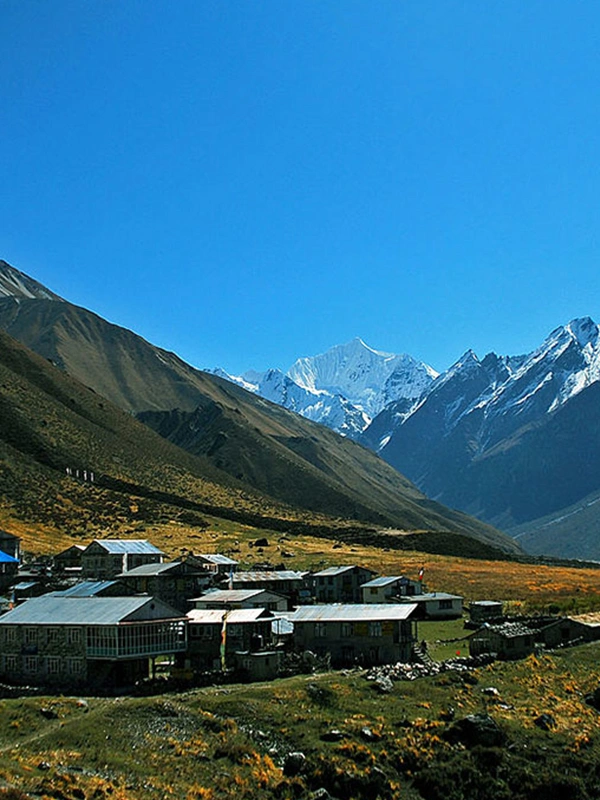
This area is also famous for some of the cleanest, brightest, and most dramatic Himalayan scenery: untouched traditional villages, stunning mountain landscapes, and, above all, wide biodiversity. The trekking has been in great natural scenery, entering extraordinary common courses through prevailing mountain flora and fauna ecosystems, demonstrating awesome biodiversity on all significant ecological zones, to start with, through captivating timberlands, alpinist high-elevation ranges, and gorgeous pastures.
Lanatang Trek: Want a bit of the wild in Nepal, where classy colorful birds and rare animals like red pandas can be seen? Caution & Respect Nature — Wildlife Spotting If you would like to spot wildlife while on your travels, it is important that patience and awareness are fostered. Provided with plenty of preparation and your eyes and ears open, you can observe this Himalayan journey itself as an experience of a lifetime.
Environment, Wildlife, Habitat for Trek.
The Langtang Valley Trek is one of the world-class and authentic treks, and while you are trekking on your Langtang trek, you will learn more about the habitat, which does help you spot many animals along with birds. The Kathmandu spring hike covers you through different life zones—subtropical forests, bamboo zones, alpine meadows, and rocky, hilly mountains.
Birds, monkeys, and smaller forest animals lived in the lower levels of forests; however, at higher elevations, one could find mountain creatures that were more suited for colder temperatures. Understanding where animals might be chilling gives trekkers a chance to predict what could come their way, and zapping through Langtang National Park while keeping your eyes peeled for wildlife makes the experience all the more worthwhile.
You see more wildlife the earlier you’re awake
Wildlife of the Langtang Trek: Hence, the best time to view animals is during the early morning. Most animals prefer to move about when there is less chance of running into trekkers on a trail, so they prefer the early and late parts of the day. In the morning you hear the cries of birds; you can see in the forests some shy animals sniffing from place to place, looking for food.
Walking slowly is again something you can do in the early hours, when things start to get moving around. Early, which increase a wider of wildlife spotting chances, plus of course nice and clean, with pure, fresh air for your easy transition walking through the beautiful nature. I am thankful that, thanks to you, I got this region fully and comfortably.
Observations of Red Pandas in Forested Regions
Langtang has one of the largest populations of one of Nepal’s priority species, the red panda. These stunning beasts can be hard to spot, as they are timid and secretive creatures of the dark forests across which they travel, but if fortunate enough, with plenty of time on their side, veteran trekkers can observe them in larger sections of their native range.
Habitats: Among red pandas, bamboo forests are their preferred home, and they like undisturbed nature free from heavy encroachment. You’re out on the Langtang Valley Trek making noise, and be aware of brown bears potentially in wooded areas as you proceed. Watching pandas in real life is one of the few experiences that wildlife addicts can really enjoy.
You are the mountains, and everything else is second to that.
Perhaps the easiest wildlife experience to do on a trek is bird watching while in Nepal. Langtang Valley Trek is known to encompass more habitats and have more species recorded here than any of the other treks in the Himalayas. Woods and hollows astride, pennons flap like pondus grouse-wreathed eagles’ ground pearl-grub vultures, birds of mountain swapping.
The remote areas of the Langtang National Park must be termed “heaven on earth for bird watchers” with no sounds except for those found in nature, which has been restored from the busy and noisy habitats of modern civilization. Secondly, the diversity of birds is another reason that makes the trekking experience so beautiful.
Book: Animals of Himlayan Monkeys and Other Mammals
There, you will meet different types of wild animals in the jungles and valleys. Monkey—To track it, either you see it moving on trees or listen to its call from wooded areas. Stranger smaller mammals in the quieter stretches of trail, you may also make your acquaintance with wildlife viewing, defined properly to include not startling the animals and a buffer zone between you and the animals.
Indeed, the animals are more likely to appear if backpackers keep silent and allow nature to take its course. These snapshots of our travel must surely be among the most significant, for they echo urgent appeals to protect what remains of many ecosystems across this fragile region.
When it comes to wildlife spotting, the right gear has its place
The major thing is the good equipment helps in spots, and for sure it will help wildlife watching and trekking in Langtang Camp these days as well. Binoculars promise to help you observe birds and animals from afar without disturbing them. Polite Memories—Respect your camera adjusting a zoom lens to it Wear comfortable clothes and go quietly File trekking equipment improves Your opportunity to linger longer viewing wildlife.
In Langtang Valley, equipment is an assistance, whereas patience and awareness are the actual techniques in the wild. That means no feeding wildlife, obnoxiously loud noise, or, like, too close for selfies! Habitat destruction—due to both animal behavior and human activities constantly damaging sensitive habitats. Overall data collected from the field can help to conserve biodiversity by following designated trails, properly discarding litter, and staying cognizant of conservation policy within Langtang National Park.
Latent ecosystem of Langtang Valley
It is in your best interest to read up on responsible wildlife viewing. Feeding animals is an absolute no, and please stay quiet to avoid scaring wildlife away or getting very close to native wildlife that can be dangerous (getting too close for a photo). While animals do understand the function of these trails, things like human disturbance causing animal behavioral changes and habitat vulnerability may limit travel or change migratory paths.
Proper practice will maintain the biodiversity of Langtang National Park by following the proper practices, such as staying on track and settling solid waste correctly. Trekking in a mindful manner reveals wildlife experiences for visitors & simultaneously makes sure nature’s beauty can be loved over several generations. Traveling to Nepal’s Himalayan destinations, every traveler should feel responsible towards environmental protection.
If You’re Planning Your Trip, Hit The Right Time To Visit Wildlife
The trekking season is during the spring and autumn periods, which are typically regarded as better months to trek in this area since they offer a pleasant climate with a nice trekking atmosphere. Spring brings bluebirds into the forests and yellow-feathered flowering plants with the residents of autumn trees, while fall is often one that has brighter light, though it [makes them] easier to watch/see or spot [wildlife].
In winter, however, it is all about peaceful and less crowded trails Similarly, in monsoon you get lush green paths that are challenging! The trend of animals being seen in seasonally predictable ways allows trekkers better planning and supports the likelihood that they may experience an increased interaction with wildlife at any position on their trek.
Explore Wilderness at Langtang Valley
This is where your curiosity, patience and respect for nature take the field—Langtang Valley Trek wildlife (wild animals) This is not only redefining where the mountain lookouts are; it is also redefining those epic ecosystems that surround the trail. The Langtang region is a wildlife lover’s paradise, from the red panda and Himalayan birds to forest mammals and mountain landscapes.
In short, semi-self-sufficient travel with a local background, trained on low volume and the right season, equals a good wildlife opportunity; responsible trekking policies can provide visitors even greater respect for the Indian Himalayas. Nepal is the third of these wild treks referenced here; once arranged one after the other by the start’s plunder variables to fuse a delightful fitting, it gradually darns your successive perambulating appendages.

